

Voice search has been a hot topic for a few years now, but digital marketers are still trying to figure out the best way to take advantage of it.
While most digital marketers have a basic understanding of SEO, voice search is a more complicated issue.
First, how do we know if it is worth investing our time and resources into it?
We’ve seen well-publicized stats:
- Nearly 40 million Americans were said to own a smart speaker back in 2018, and new technology adoption is the driving source behind voice search growth.
- By 2020, as much as one-third of web browsing was predicted to be screenless (this prediction is a few years old, but we have one year to see if it’s true).
- According to Google, 20% of mobile queries were voice search back in 2016.
There’s no clear number from Google that would tell us how much exactly voice search is being used today though. What should it tell us?
That, it could be possible, voice search is not being adopted as fast as marketers thought.
Now, that doesn’t mean we should stop talking about voice search for two good reasons:
- Voice search is upon us, even if we don’t know exactly to what extent. Not being prepared is short-sighted, which is never a good digital marketing strategy.
- Voice search optimization is optimizing your content for interaction with the machine, i.e. you adapt your content to being easily understandable for artificial intelligence, which also is the new SEO. The better your content is optimized for voice search, the better its overall organic visibility. This is generally the new optimization strategy that should be embraced by any digital publisher, regardless of its size or language.
Here are 4 key steps for optimizing your website for voice search.
1. Optimize for Featured Snippets
What are featured snippets?
A featured snippet is the selected search result that appears on top of the search result page as the best answer to the query.
Google introduced featured snippets to adapt their result pages to cater to on-the-go and voice searching.
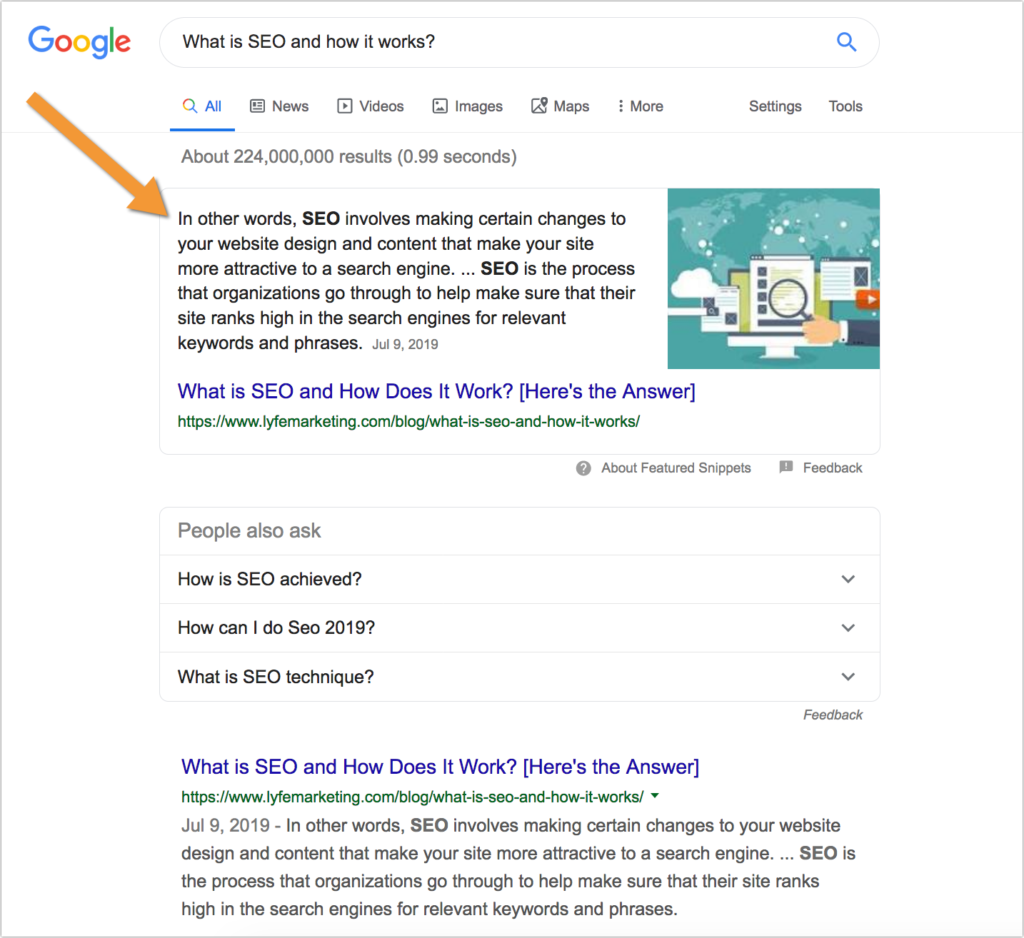
Featured snippet optimization includes two main tactics:
- Increasing your organic rankings: Google usually picks a page to feature from top 5 organic rankings for the current query. This is actually basic SEO that should be implemented here.
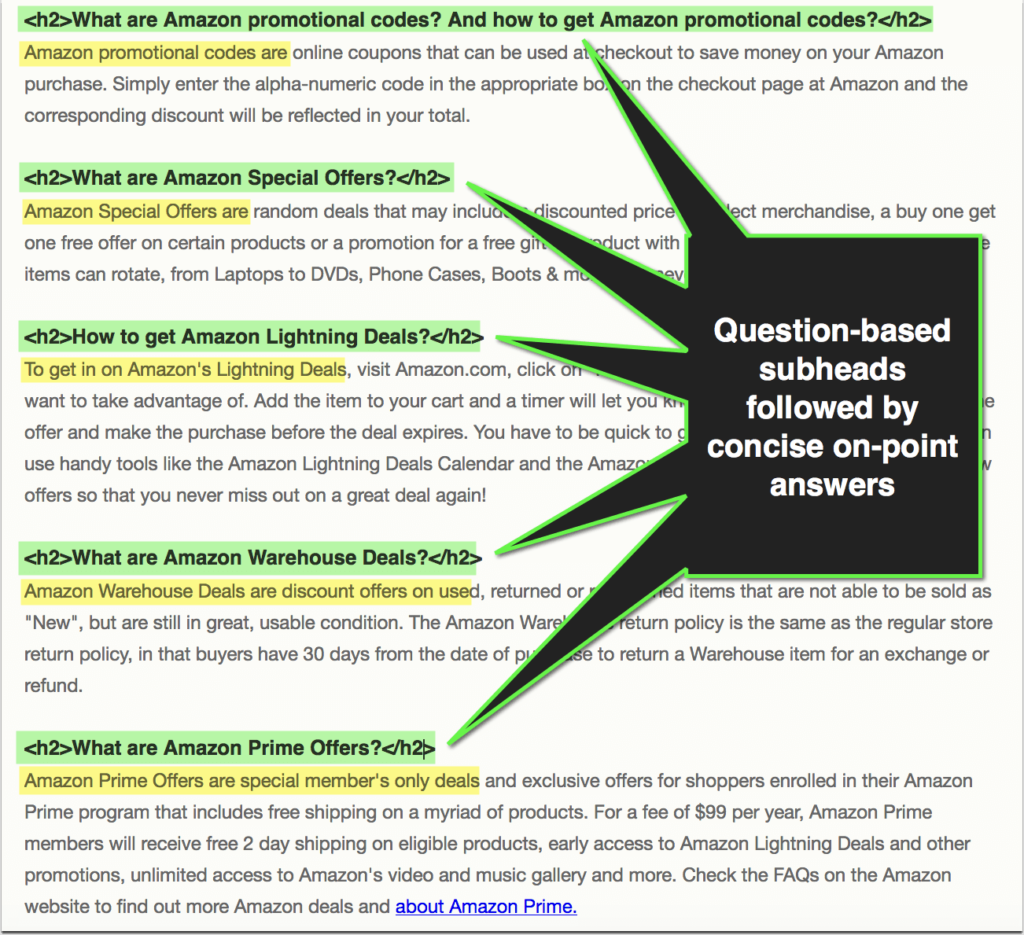
- Giving quick concise answers to questions behind the query. You need to make it easy for Google to locate and interpret the answer. It could be a definition, an actual answer, a number, a name, a list etc.
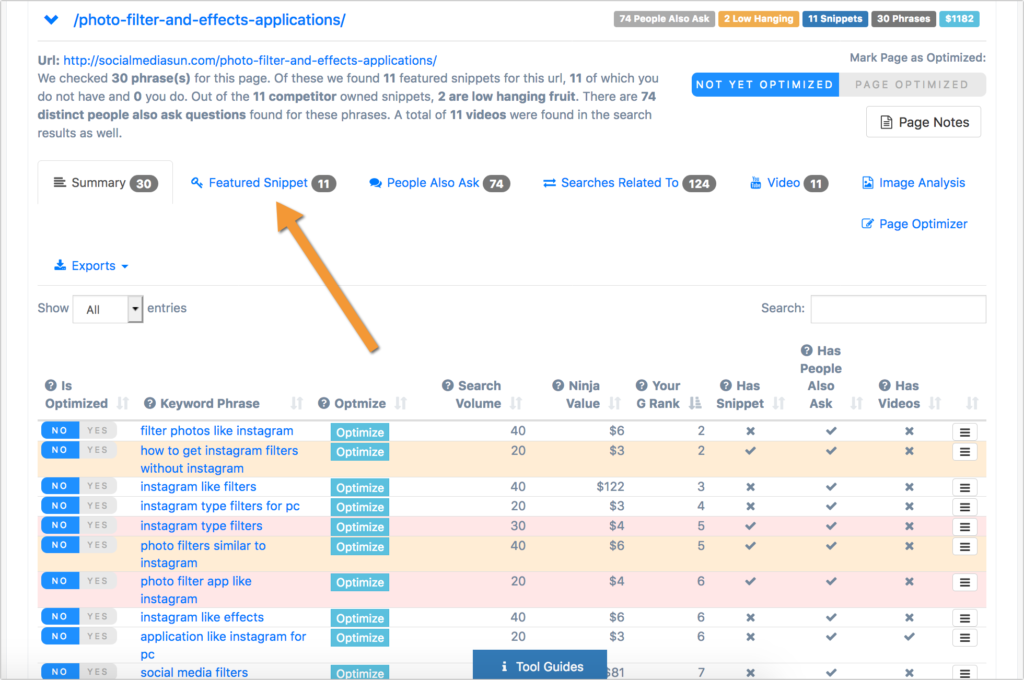
Featured Snippet Tool helps you with both:
- Queries, where you rank high enough to have a good chance to be featured.
- Optimization for each opportunity, case by case, showing you what currently is featured for each query and how you can do a better job answering the query:
2. Optimize for “Things, Not Strings”
One of the biggest advances of Google’s algorithm was its ability to interpret each query in the context, instead of simply matching what was typed to indexed web documents. This update was called Hummingbird and was all about a deeper understanding of each query.
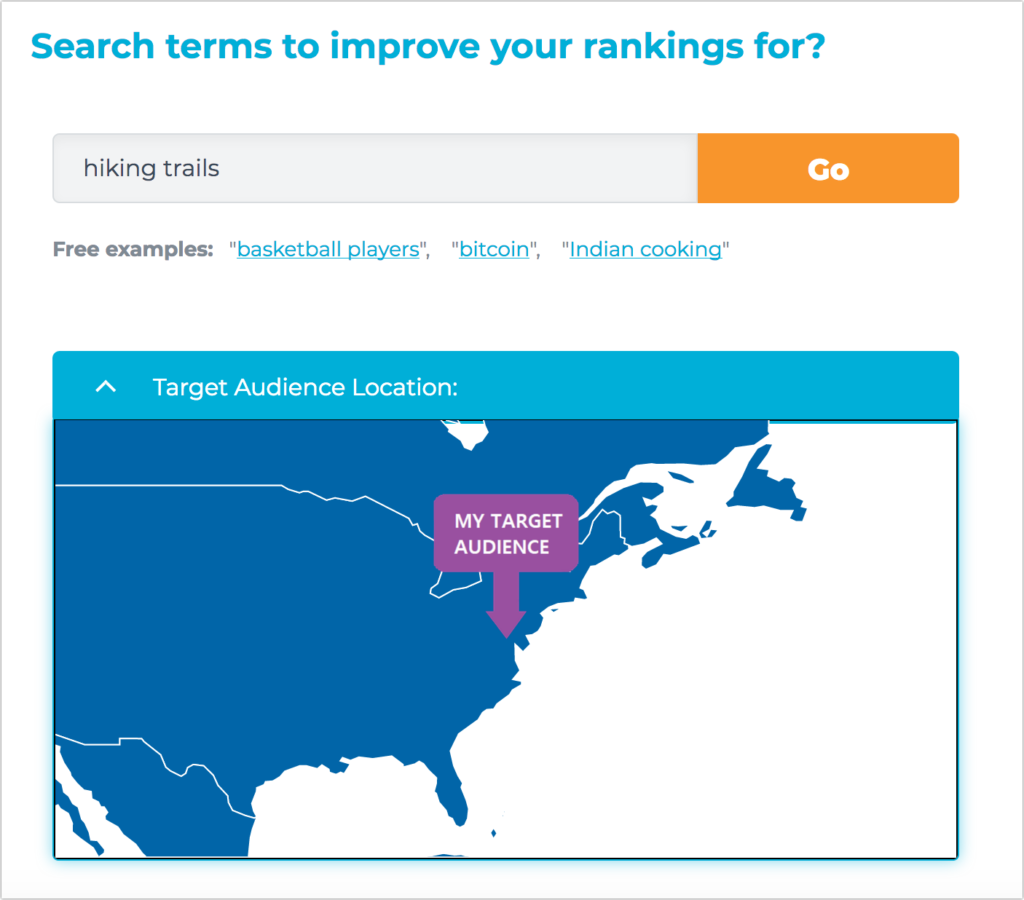
For example, if you type “hiking trails” into search, Google will know that:
- You probably need results around your location.
- You are into outdoors recreation.
- You would like to have included results for “walking trails”, “parks”, “maps”, etc.
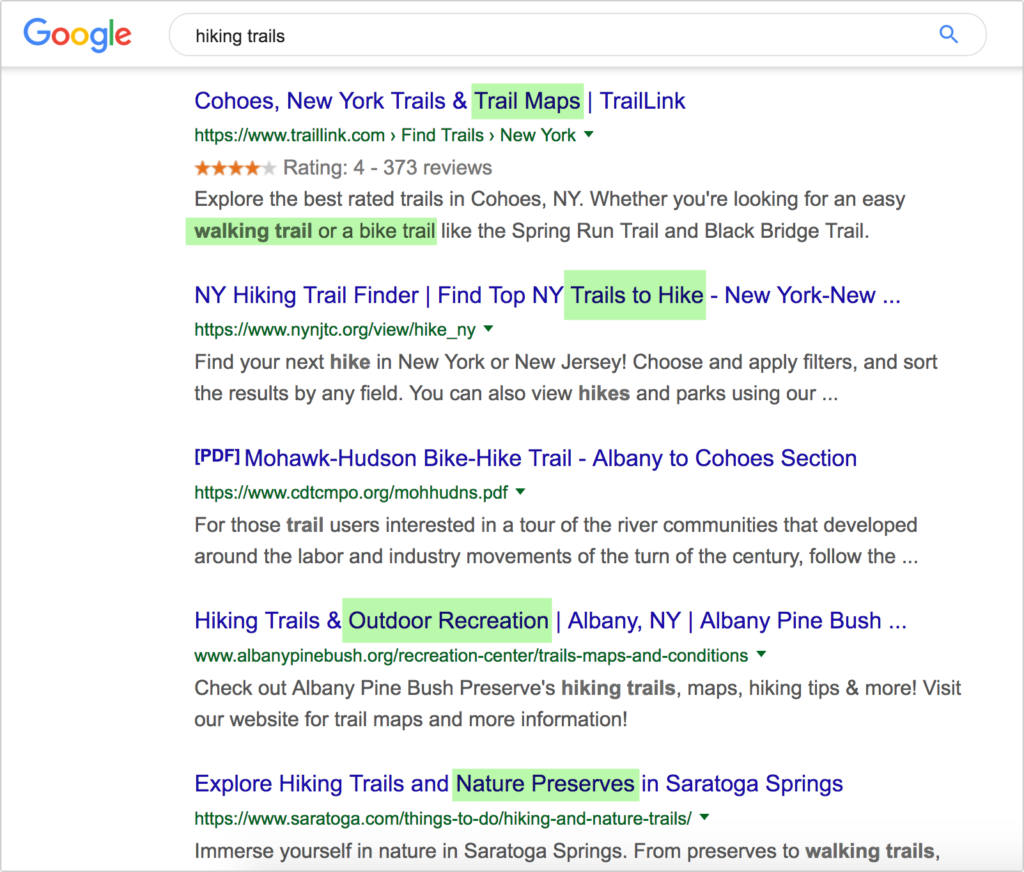
Text Optimizer is the semantic analysis tool that will search Google for your query and extract all those related concepts and entities Google will expect to find on a page answering the query satisfactorily.
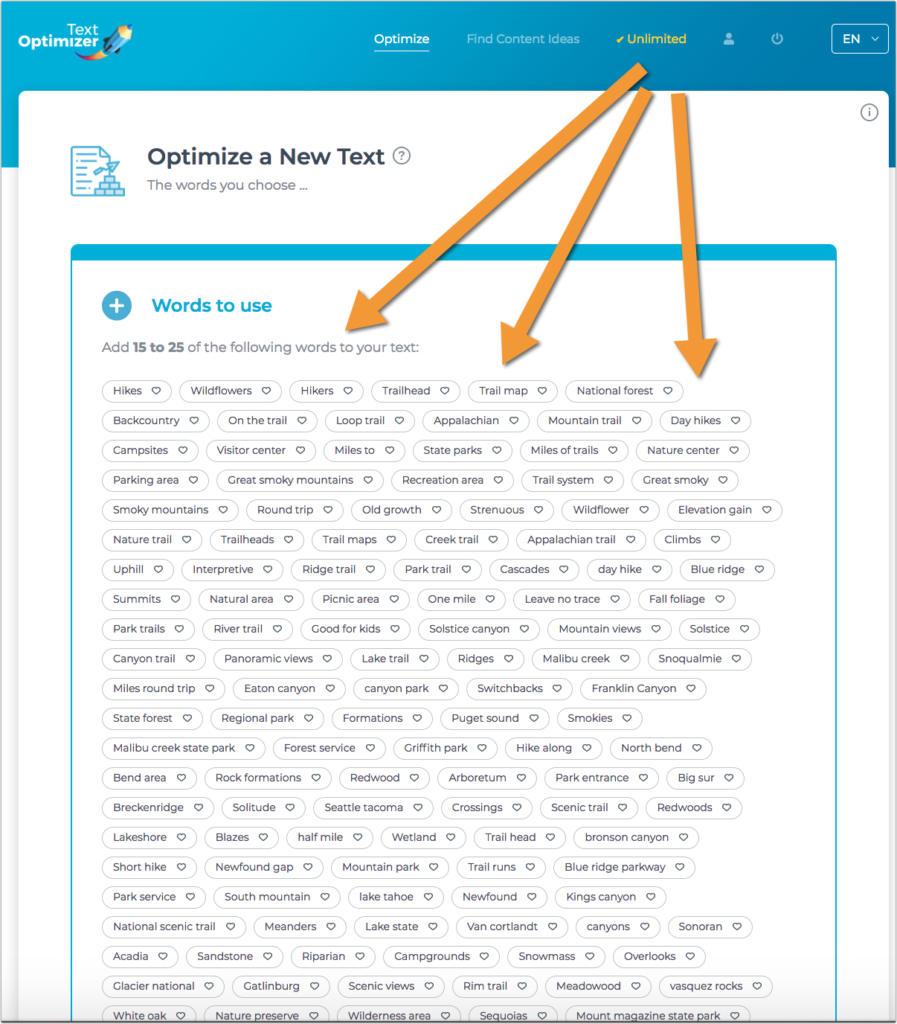
Text Optimizer helps you optimize your content for “things, not strings”, forcing you to include more concepts and make your content more in-depth. You also can target your search to a certain locality for best results:
3. Update Old Content
A good SEO strategy is always about an on-going content-update process. Google likes fresh content as much as its users, which is a good enough reason to spend time and resources keeping your content fresh and up-to-date.
I have already done a few tactics guides on updating your old content:
- How to Recycle Your Old Content to Increase Conversions
- 3 Tools to Optimize Your Old Content to Increase Organic Search Traffic
There are all kinds of ways to approach content updating, but the main point is: Implement content updates on a continuous, consistent basis.
Specifically, I recommend including old content updates into your monthly editorial calendar to ensure it is going to happen regularly. This task is never really done. I suggest allocating at least one week of each month to content updating and re-optimizing.
To get organized, add “old content” campaigns to ContentCal editorial calendar. For slower months (when the sales are slower, and there are no major marketing campaigns planned), plan two “old content” campaigns per month:
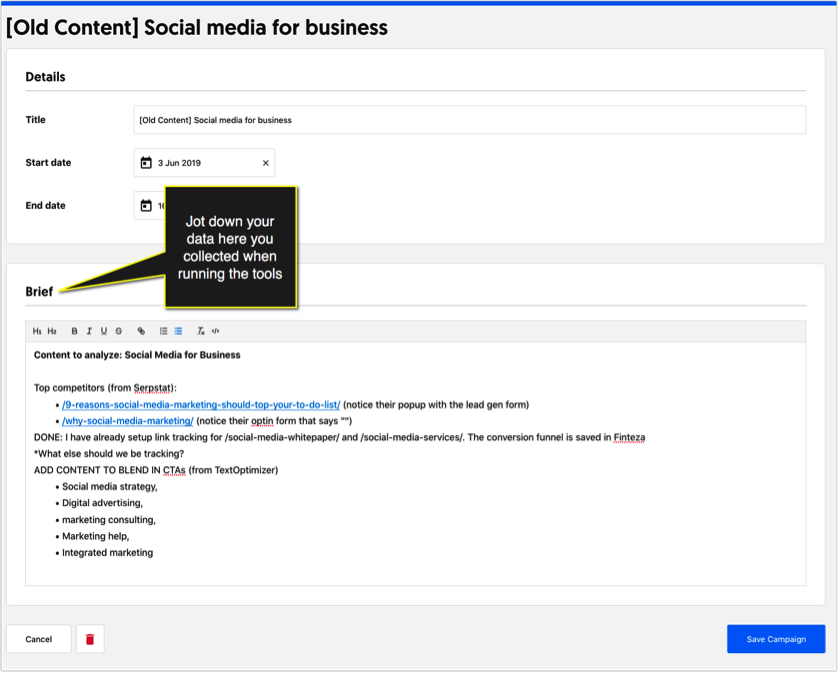
ContentCal notifies your team of scheduled campaigns using campaign ribbons. Your team members will see upcoming campaigns and will be able to get things done effectively:
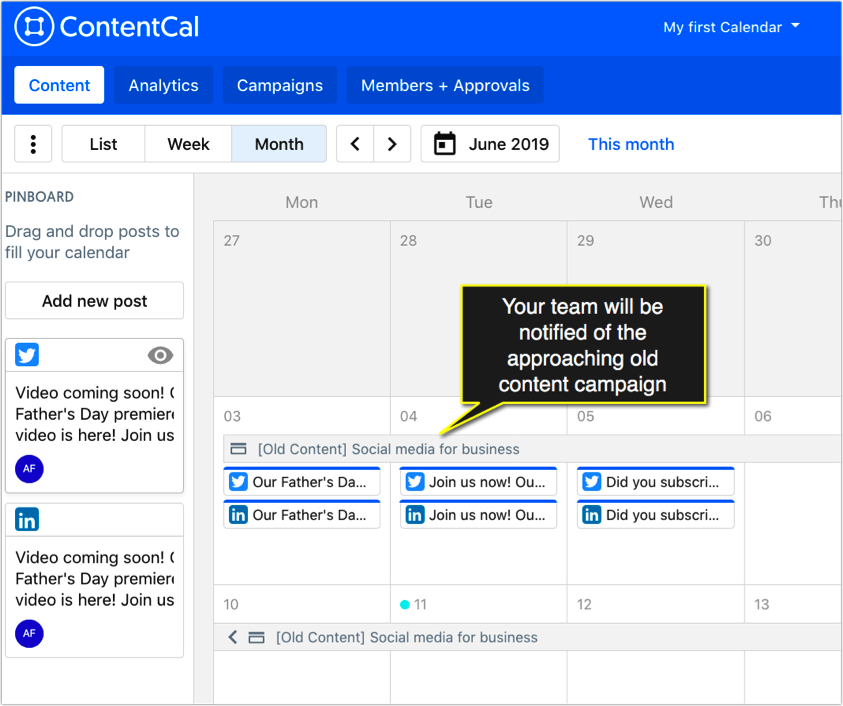
ContentCal not only will keep your team informed of old content work coming through its campaign feature but also will drive new marketing efforts for your old content asset through its supported collaborative sharing.
4. Use Structured Markup
Structured markup helps search engines better understand a web document, its content, purpose and structure. For example, it would identify for the crawler the type of content (e.g. a review, About-us page, bio, news piece, event announcement, etc.).
There’s a variety of structured markup that Google officially supports, including FAQ, fact-checking, HOW-to content, etc.)
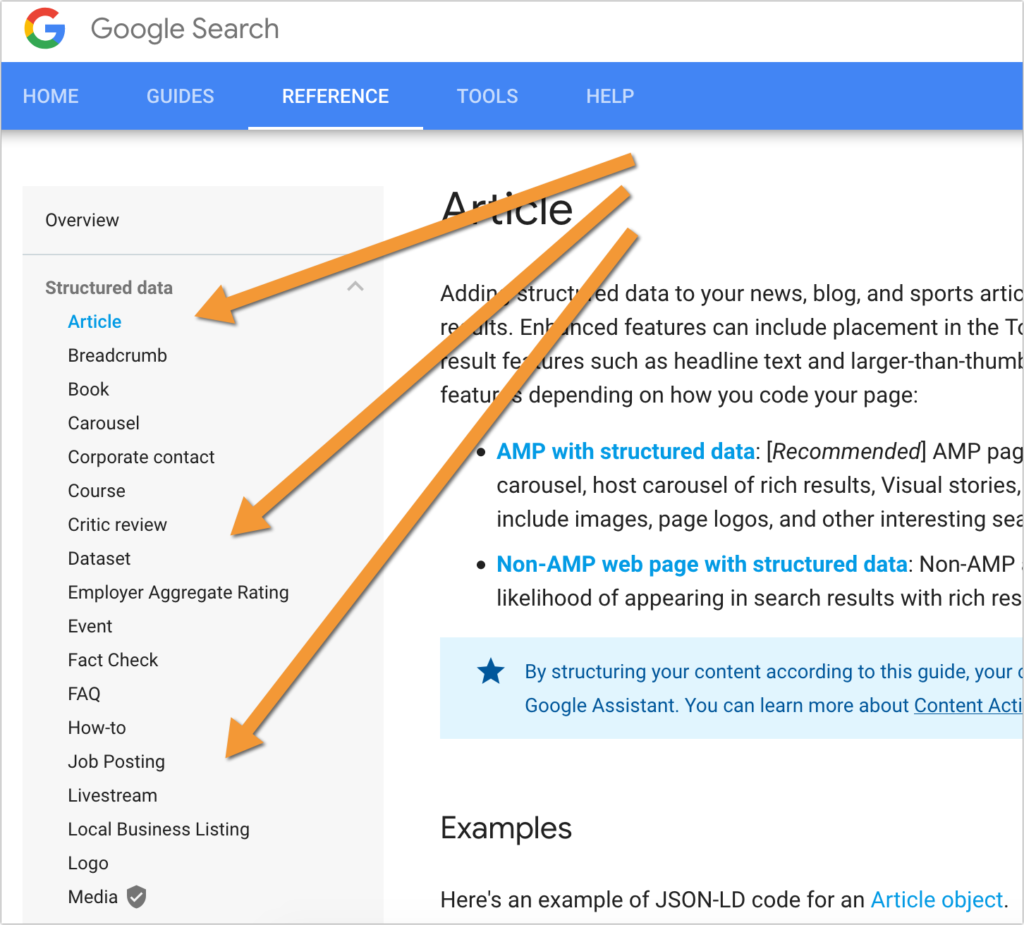
But there’s no reason to stop there. If it helps search engines better understand your content, it is good to go. This includes:
- Author markup
- Featured image
- Copyright holder and more
Google has a specific voice-search markup called Speakable, which is something content creators should definitely implement.
Simplify in-Content Calls-to-Action
Mobile and voice searchers are likely to be on the go. They may have 0 time to make a purchase just yet. If you want to market to these users more effectively, assess and simplify your CTAs as much as you can.
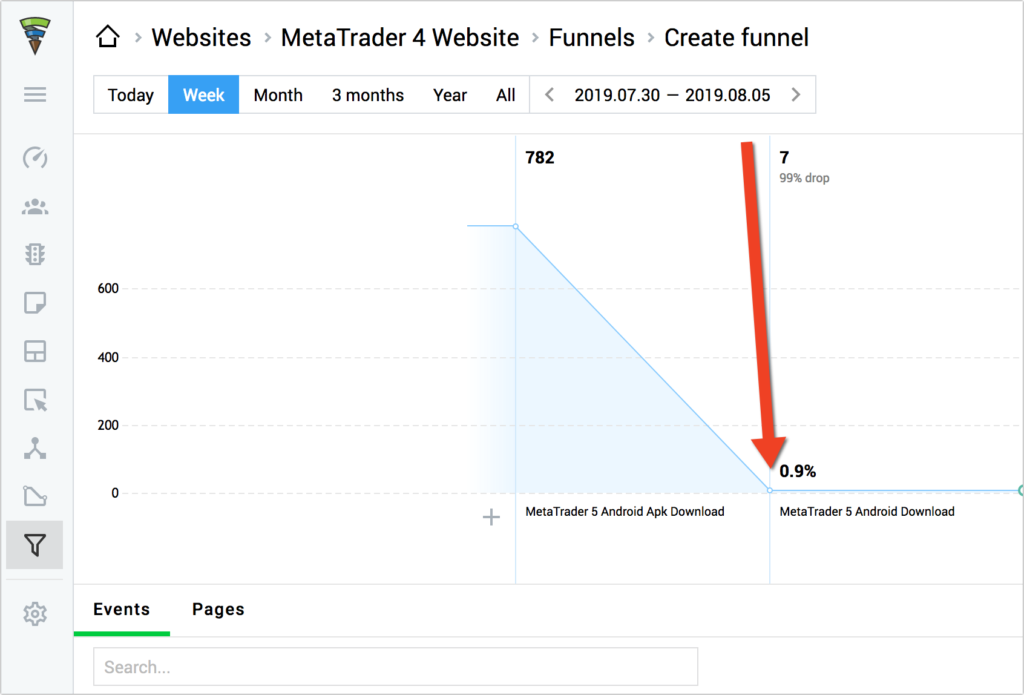
Finteza is a great tool for analyzing your current CTA performance. You can use it to build visual sales funnels and identify which CTAs tend to lose your customers.
Finteza also offers a powerful re-targeting algorithm allowing you to re-connect to those site visitors who did leave without converting.
When it comes to simplifying and optimizing your in-content conversion process, there are all kinds of approaches here depending on your business model, for example:
- Remove distractions (sidebars, social media icons, etc.)
- Include site-wide search (and treat it as an additional CTA)
- Minimize the number of steps
- Try an alternative optin plugin that offers simplified user experience
- Pre-populate fields in optin forms (beware of GDPR though)
- Blend your CTA with the article context, etc.
Conclusion
Voice search optimization should be part of your content strategy because it re-enforces overall organic visibility. Whether it’s voice or keyboard queries you are targeting, voice search optimization helps you create more in-depth, better-structured and higher-ranking content—which is what all digital marketers want, right?