
What is Keyword Intent?
Keyword intent represents the user’s purpose for the search. It’s what the user is likely to do when searching for a particular phrase. Or, to be more precise, it’s what we think the user is likely to do since we cannot always be sure.
Keyword intent is undoubtedly the most important concept when it comes to keyword research. It helps you meet the users’ needs better and match your content and landing pages to their intentions. Analyzing keywords by intent is thus your first step when diagnosing conversion issues when it comes to search referrals.
Analyzing keywords by intent should be your first step when diagnosing conversion issues. Share on XThe 4 Types of Keyword Intent
There are four types of keyword intent:
- Commercial “high intent” intent
- Informational intent
- Transactional intent
- Navigational intent
Let’s quickly see what each of these means.
1. Commercial, or High, Intent
This type can also be referred to as “buy now” intent. It signifies a strong intention on the part of the searcher to act (to buy, join, subscribe, etc.). Usually, these will be keyword phrases containing the following modifiers:
- Buy (online)
- Coupon (code)
- Deals
- Free shipping, etc.
People are most likely to commit to purchase as a result of these types of searches.
2. Informational Intent
Informational intent, on the other hand, means that the searcher is willing to find out more about the concept. It’s probably not a good idea to try selling anything to them outright, but these could be good for developing “gated” content and collecting emails. Queries with purely informational intent could contain the following modifiers:
- How to . . .
- Why . . .
- Best way to . . .
- History of . . .
- Anatomy of . . .
- What . . . means
3. Transactional Intent
Transactional intent lies somewhere in the middle of commercial and informational intent. Simply put, these queries can represent both the purpose to buy and to read more about the concept. With the right content and setup, these searchers may buy things or be convinced to buy somewhere further into the conversion funnel. These queries can contain words like:
- . . . Reviews
- . . . vs . . .
- Best . . .
- Top 10 . . .
4. Navigational Intent
Keywords that contain brand names signal navigational intent, meaning a searcher knows exactly where they’re headed. Brand name searches are your assets. If a person types in your brand name when searching, they already know exactly what they want; you just need to give that to them.
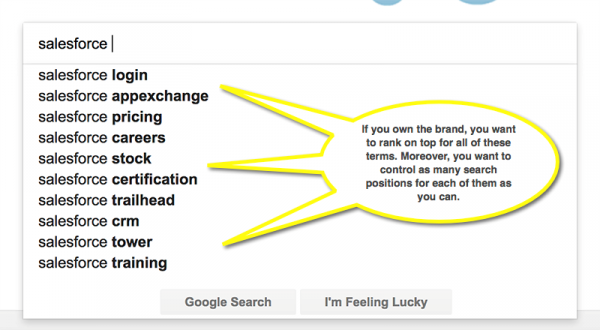
What you need to do here is to make sure:
- Those searchers will land on your site, so your assets rank in top three for those queries.
- Your website will satisfy their need in the best possible way: The landing page will offer them all the answers and/or let them perform the intended action
Pay close attention to search queries that contain your brand name, and monitor your site rankings for all of them.
How to Identify Keyword Intent
In most cases, you’ll be able to use your common sense when determining the search query intent. In many cases, it’s pretty obvious whether a user intends to buy, research, or navigate to a particular website.
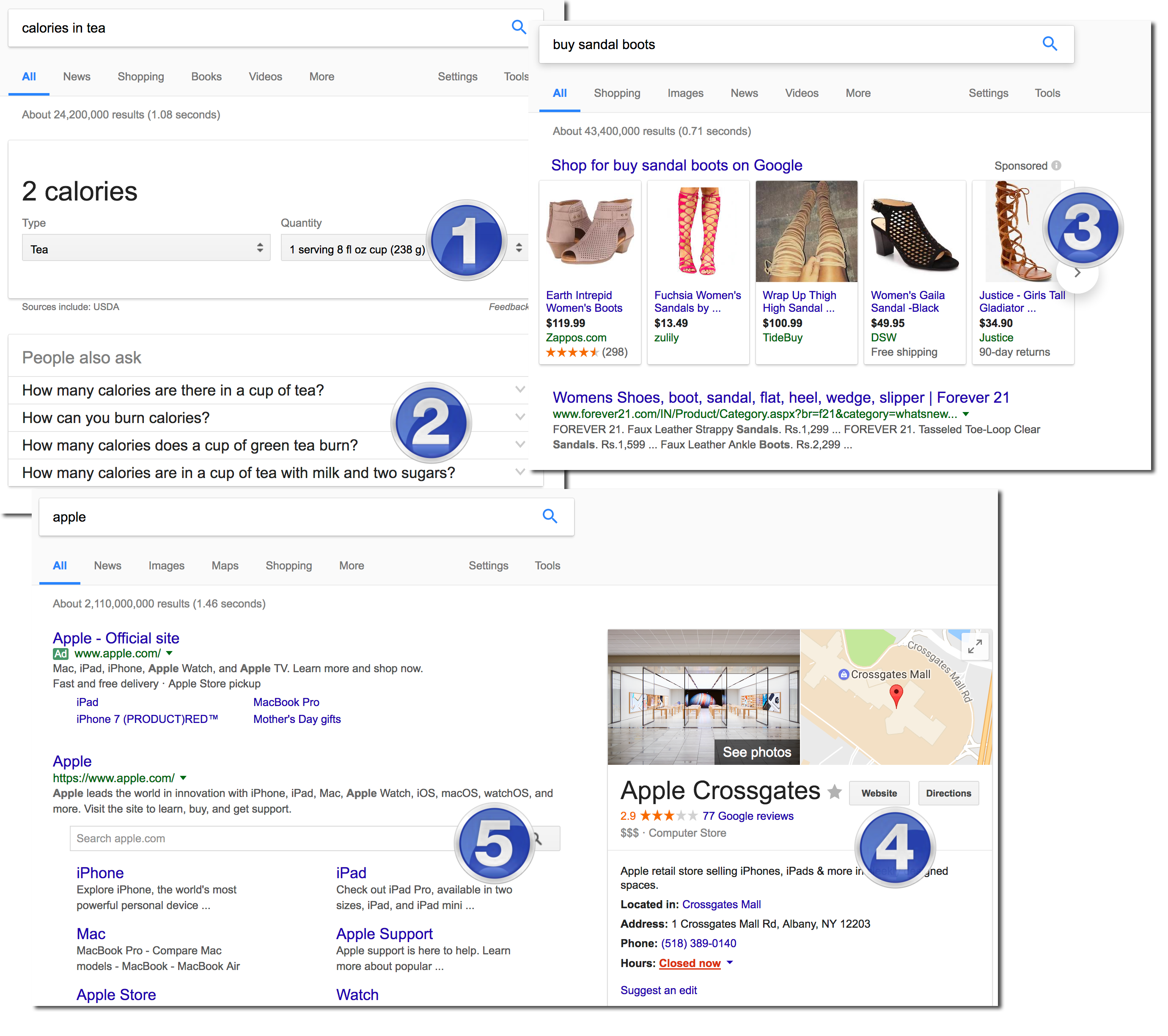
Google has been working on identifying user search intent in the best possible way for at least a decade now, so you’ll be able to pick up some cues by simply searching Google. Namely, Google’s so-called “Universal” search is the search giant’s attempt to meet the searcher’s needs and give them what they need right within the search results. In most cases, these types of search results will signal the user’s intent (as Google perceives it):
- “Quick-answer” search boxes (those giving you a short answer on top of search results) signal information intent.
- “People Also Ask” boxes also signal informational intent.
- Google’s shopping results signal “high-intent” search queries.
- Google’s local results and knowledge graph tend to signal navigational queries.
- So does the “Search in Search” feature.
You can use Serpstat to see which types of “universal” search results from any given query triggers:
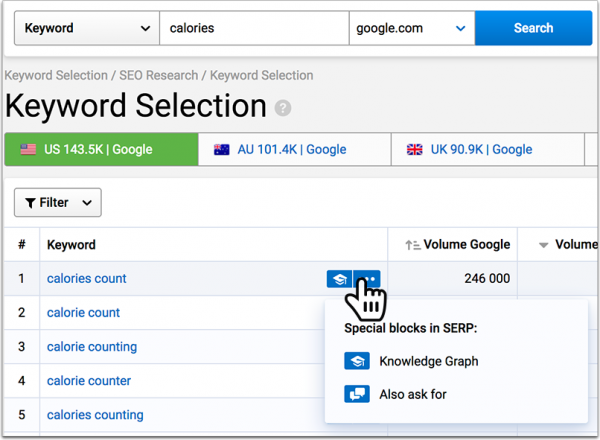
You can also use Serpstat filters to restrict your search to queries triggering a particular search type (and hence a particular intent):
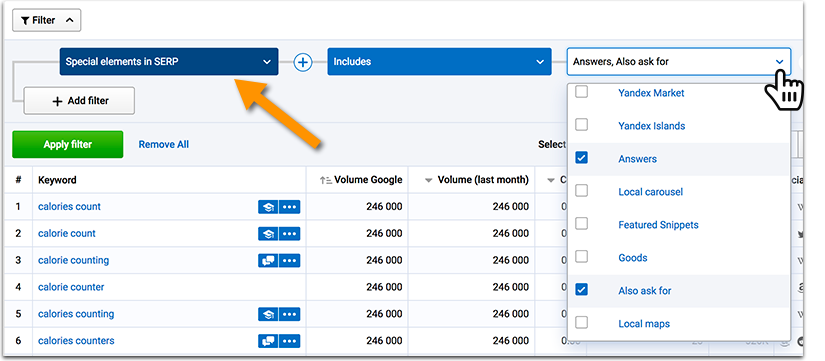
This is a very useful trick when you are working on a specific digital marketing strategy. For example, when creating an editorial calendar, you can use Serpstat to research keywords triggering “People also ask” results, revealing obvious informational intent.
How to Organize Keywords for Better Conversions
Being an integral part of keyword research, intent helps you create a more organized content strategy aiming at happier customers and better conversions. The first step is to organize keyword phrases by intent:
- Keywords with informational intent are straightforward content ideas to send to your content development team.
- Keywords with transactional intent, which could include content ideas (product lists, product comparison, product FAQ, product manuals, etc.) that smoothly walk the reader down the conversion channel.
- Keywords with commercial intent: If you have a product to match, refer to your SEO team to figure out how to better optimize product pages for them to rank for these queries. Alternatively, these can be product bundles (product lists) or other types of “buy now” landing pages that could match the exact high intent query.
- Keywords with navigational intent may be further organized by intent: Some of these queries will have “buy now” intent, while others may signal transactional intent (e.g. potential customers researching your product reviews). Some of these should be sent to your reputation management team, while some of these will help your sales or customer teams to better meet your clients’ expectations. Most of these queries will be useful for more than one team.
Next, organize your keyword lists further by a required action:
- Some keywords may be good ideas for new content or new landing pages.
- Some keywords may be used to optimize or update old pages.
Finally, organize those keywords by landing page type. Informational and transactional queries may call for different types of content and landing page to better satisfy the users’ needs. For example, you can decide to create:
- Blog posts (lists of products for an upcoming holiday, gift ideas, etc.)
- FAQ pages (especially if these are navigational queries)
- On-site glossaries (if you are in an industry full of complicated terms)
- Various types of cornerstone content (also referred to as “content upgrades”)
You can use Excel or Google Spreadsheets to organize your keywords using multiple labels. You can go through your keyword lists and organize them by intent, required action, and the type of the landing page you plan to create.
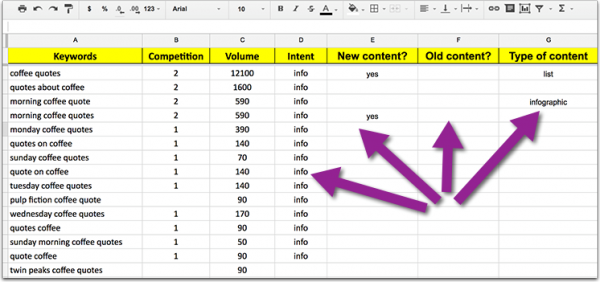
View and copy this template here.
You can then integrate those spreadsheets into a marketing dashboard or project management platform like Cyfe or Trello (or any of these other options) for easier sharing.
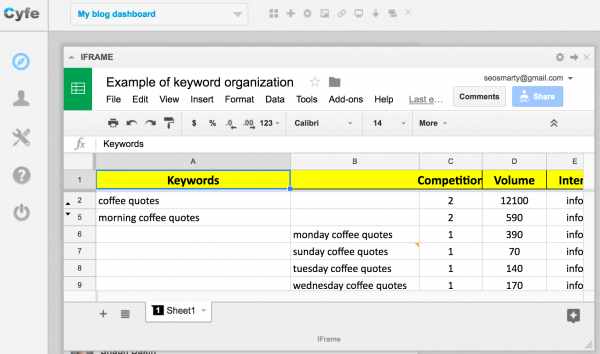
Working with keywords takes time, but it defines your future digital marketing strategy on many levels, so don’t rush things up! Targeting user intent when planning and optimizing your content makes your whole digital strategy much better organized and more conversion-oriented. With the above analysis, suddenly each of your web pages has a purpose.